Skilled Technicians Bring Confidence to Car AC Repairs

Correct Diagnosis Helps Keep Repairs Safe and Effective

Poor cooling inside a vehicle can seem like a straightforward problem, yet air conditioning systems are more complicated than they first appear. Warm air from the vents may be caused by low refrigerant, compressor trouble, an electrical fault, or even a restriction somewhere in the system. Because several issues can create similar symptoms, professional auto AC repair starts with careful testing rather than assumptions. Experienced technicians know how to work through those possibilities methodically, using suitable equipment to identify what is actually happening before any parts are replaced. That approach can make the repair safer, more accurate, and easier for the driver to understand.

Modern automotive air conditioning relies on a combination of pressurized refrigerant, hoses, sensors, electrical connections, valves, and mechanical components. Each part has a specific role, and a problem in one area can affect the performance of several others. Simply adding refrigerant, for example, may temporarily improve cooling while leaving an underlying leak unresolved. A trained technician can check system pressures, inspect for leaks, evaluate compressor operation, and test electrical controls to find the source of the problem. This reduces the chance of treating only the symptom and helps prevent unnecessary work that may not solve the original fault.

Auto AC Repair

Safety is another reason experience matters. Refrigerant should be recovered, stored, and handled correctly, while pressurized components require proper procedures during testing and servicing. Electrical faults also need careful attention because modern climate control systems may communicate with sensors and vehicle computers. Guesswork around these systems can create new problems or damage expensive components. Skilled technicians understand how to follow safe service procedures while protecting surrounding parts of the vehicle. They can also recognize when a component should be repaired, replaced, or simply monitored, which helps keep recommendations practical rather than excessive.

Communication is just as important as technical ability. Most drivers do not need a complicated lesson in refrigeration theory; they simply want to know why the cabin is not cooling and what needs to be done about it. A good technician can explain the findings in clear language, point out which repairs are necessary, and discuss available options before work begins. This makes it easier to make informed decisions about cost and urgency. It also builds confidence because the repair is based on evidence from testing instead of vague explanations or a collection of parts replaced one after another in the hope that something works.

Comfort may be the first reason people notice an AC problem, but dependable repairs are also about protecting the system from further damage. When unusual noises, weak airflow, inconsistent cooling, or warm air appear, arranging auto AC repair with an experienced technician can help uncover the real cause before the issue becomes more disruptive. Correct diagnosis allows the right components to receive attention while avoiding unnecessary replacement of parts that are still functioning properly. With careful testing, safe working methods, and straightforward advice, skilled technicians can restore cooling with greater confidence and help drivers return to the road knowing the system has been repaired for the right reason.


Roofing Company Insights for Revamping Your Aging Home’s Exterior

How to Choose the Right Roofing Company for Your Home Renovation

When your home starts showing signs of aging, the exterior can be one of the most pressing areas to address. Whether it’s sagging shingles, leaks, or worn-out materials, a roof replacement or significant upgrade can enhance not only the aesthetics but also the integrity of your home. Many homeowners find themselves overwhelmed by the options available, especially when searching for the best roofing company in CT. You want to ensure that you’re making a wise investment that will stand the test of time while also improving your home’s overall value.

Selecting the right roofing company is essential to ensuring that your project goes smoothly. Start by conducting thorough research. Look for companies with solid reviews and testimonials. Don’t hesitate to ask neighbors or friends for recommendations. Once you have a shortlist, reach out to each company and request quotes and timelines. A reputable company will take the time to assess your current roof’s condition and discuss the best materials and options for your specific situation. Pay attention to their communication style; you want a contractor who listens to your needs and addresses your concerns.

Best Roofing Company In CT

In addition to the physical aspects of the job, consider the warranty and insurance coverage offered by the roofing company. A solid warranty can provide peace of mind, ensuring that you won’t face unexpected costs down the line if something goes wrong. Furthermore, verify that the company has the proper licensing and insurance. This protects you in case of accidents or damages during the project.

When discussing materials, think about your home’s architecture and your climate. For instance, if you live in an area prone to heavy rain or snow, materials like metal roofing might be more beneficial due to their durability. Alternatively, traditional asphalt shingles might suffice for milder climates. A knowledgeable contractor will guide you through these choices, helping you understand the pros and cons of each option.

Lastly, don’t underestimate the importance of scheduling. Roof upgrades can be disruptive, so make sure to communicate your timeline clearly with the roofing company. This way, you can plan around the construction and minimize the impact on your daily life. With the right support, you can turn your aging home into a stunning space that reflects your style and meets your needs for years to come.

Creating A More Enriching Indoor Environment With Natural Scratching Posts

Transform Your Cat’s Indoor Space With Eco-Friendly Scratching Solutions

When you think about enriching your cat’s indoor environment, the first item that often comes to mind is their scratching post. But not just any scratching post will do; you want something that feels natural and authentic to your furry friend. A katzenkratzbaum natürlich can be a game-changer, providing not only a place for scratching but also a cozy spot for climbing and lounging. Cats are instinctual climbers and scratchers, and offering them a natural scratching post taps into their innate behaviors while creating a healthier living space.

Consider your cat’s needs. They crave vertical space and love to observe their surroundings from a higher vantage point. A natural scratching post that mimics the texture and feel of trees can fulfill this desire. Look for options made from untreated wood, sisal, or other organic materials that encourage scratching without the risk of harmful chemicals. These materials not only satisfy their scratching instincts but also reduce the likelihood of damage to your furniture. Plus, a well-placed scratching post can help redirect their energy away from your beloved couch or chair.

Katzenkratzbaum Natürlich

Placement is crucial. Position your natural scratching post in a prominent area where your cat spends the most time. This could be near a window where they can watch birds or in a cozy corner of the living room. Make it accessible and visible. If your cat has a favorite spot for lounging, consider placing the scratching post nearby to encourage interaction. You might even sprinkle some catnip on the post to entice them to explore and engage with it.

In addition to scratching, think about incorporating other enriching elements into your indoor environment. Shelves for climbing, cozy cat beds, or interactive toys can create a dynamic space that stimulates their mind and body. The more variety you provide, the more engaged your cat will be.

Lastly, keep an eye on your cat’s behavior. If they seem uninterested in the scratching post, you might need to adjust its location or try different natural materials. Remember, the goal is to create a space where they feel secure and stimulated. By investing in a natural scratching post and thoughtfully enhancing your indoor environment, you’ll be fostering a happier, healthier life for your cat. They deserve a home that meets their needs and allows them to thrive, all while keeping your living space stylish and intact.

Booking Software For Small Businesses That Want Customers To Schedule Outside Business Hours

Revolutionizing Your Business: Embrace 24/7 Booking Solutions for Growth

As a small business owner, you know that flexibility is key to attracting and retaining customers. In today’s fast-paced world, people crave convenience, and that often means wanting to book services or appointments outside traditional business hours. This is where booking software comes into play, transforming how you interact with your clients. By implementing a user-friendly booking system, you can allow customers to schedule appointments at their convenience, even if it’s after hours or on weekends. Imagine the possibilities for example with Googleads; you can reach a broader audience who prefers to book when it suits them best.

Not only does this enhance customer satisfaction, but it also boosts your revenue potential. When you offer a system that enables clients to book at any time, you effectively reduce the chances of losing business due to scheduling conflicts. Customers who may have otherwise hesitated to reach out during your regular hours will appreciate the ability to secure their appointments without the pressure of a phone call or email. This can lead to increased bookings and, ultimately, higher profits for your business.

For Example With Googleads

Choosing the right booking software is crucial. Look for a solution that integrates seamlessly with your existing systems, whether it’s payment processing, calendar management, or customer relationship management tools. A comprehensive booking platform will not only streamline the scheduling process but also provide you with valuable insights into customer behavior and preferences. This data can guide your marketing efforts and help you tailor your services to meet the demands of your clientele more effectively.

Furthermore, consider the user experience. Your booking software should be intuitive and easy to navigate, both for you and your customers. A complicated interface could deter potential clients, so prioritize simplicity without sacrificing essential features. Offering automated reminders can also help reduce no-shows, ensuring that your schedule remains full and productive.

Incorporating booking software that allows customers to schedule their appointments outside of business hours is more than just a convenience; it’s a strategic move that positions your small business for success. By embracing technology and offering flexibility, you not only meet customer expectations but also set your business apart from competitors who may still rely on traditional scheduling methods. So take the plunge—invest in a robust booking system and watch your business thrive.

High-Mileage Oil Changes Can Help Protect Older Vehicles

Specialized Oil Gives Aging Engines Added Support

High-mileage vehicles often earn their reputation one commute, road trip, and daily errand at a time, but those accumulated miles also mean the engine has experienced years of heat, friction, and repeated starts. As seals age and internal parts continue working under normal stress, the type of motor oil used can become increasingly important. For drivers wondering whether specialized oil is worth considering, get the details here about how high-mileage formulations can support older engines. These oils are created with additives intended to help condition aging seals, improve protection against wear, and support lubrication as an engine continues to serve reliably beyond the mileage many owners once expected.

One of the most useful features of high-mileage oil is the attention it gives to seals and gaskets. Over time, these components can become less flexible, which may contribute to minor seepage or increased oil consumption. High-mileage formulas commonly include seal conditioners designed to help maintain flexibility and support a better seal around vulnerable area. This does not turn worn parts into new ones, and significant leaks still deserve professional inspection, but it can provide useful support for an engine showing ordinary signs of age. Combined with regular servicing, it offers a practical way to care for components that have spent years expanding, contracting, and working through changing temperatures.

Get The Details Here

Added protection against friction is another reason these oils appeal to owners of older vehicles. Engine components naturally experience gradual wear as mileage rises, and maintaining a strong lubricating film becomes especially important. High-mileage oils often contain enhanced anti-wear additives that help reduce direct contact between moving surfaces. They may also include detergents and dispersants that assist with controlling deposits and keeping contaminants suspended until the oil is changed. The result is an oil designed around the realities of an aging engine rather than treating every vehicle as though it has just left the showroom. That extra consideration can help support smoother, more consistent operation.

A proper high-mileage oil change should still include the basics that make any oil service effective. The old oil needs to be drained, a suitable new filter installed, and the engine refilled with the correct viscosity and specification for that particular vehicle. Mileage alone should not determine every maintenance decision, because driving habits, engine condition, service history, and manufacturer guidance matter as well. An experienced technician can consider those details and recommend whether high-mileage oil is appropriate. Routine checks during the visit may also uncover small leaks, low fluid levels, or other concerns that are easier to manage before they become larger mechanical problems.

Keeping an older vehicle dependable often comes down to thoughtful maintenance rather than chasing every new product on the shelf. High-mileage oil can be a sensible choice when an engine has accumulated substantial use and could benefit from seal support, additional wear protection, and a formulation designed for aging components. Owners who want a clearer picture of what the service includes can get the details here and discuss the vehicle’s condition with a knowledgeable technician before making the switch. With timely oil changes, a fresh filter, and attention to developing issues, a well-used engine can continue delivering dependable transportation while receiving care that better matches its stage of life.

Truck Driving School Grants Can Create a More Affordable Path to a CDL

Reducing the Financial Pressure of Starting Driver Training

Starting a new career often comes with two big questions, what will the training involve, and how will it be paid for? For many future drivers, the second question can feel just as important as the first. A Truck Driving School that offers grants to qualified candidates can make professional training feel more within reach, especially for people who are ready to work but hesitant about taking on a large upfront expense. When guaranteed funding options are also available for eligible students, the path toward earning a CDL can become easier to plan, with fewer financial surprises standing between enrollment and the first day of class.

Grant opportunities can be especially helpful because they may reduce the amount a student needs to cover personally. Eligibility rules will vary, so it is worth asking exactly who qualifies, what costs are included, and whether any conditions apply after training begins. Some grants may be connected to workforce programs, specific student circumstances, or other qualification standards. The important part is knowing the details before making assumptions. A clear admissions conversation can help candidates understand what support is available, what paperwork is required, and whether a grant can be combined with other funding resources. It can also reveal whether books, testing fees, permits, or other training expenses are covered.

Truck Driving School

Guaranteed funding can add another layer of flexibility, particularly for students who do not have enough savings to pay tuition at once. The word guaranteed can sound simple, but the terms still deserve a careful look. Candidates should ask about repayment expectations, fees, eligibility requirements, and what happens if training is interrupted. A trustworthy school should be willing to explain the arrangement in plain language rather than rushing someone through the process. That transparency matters because financial support should make career preparation less stressful, not create confusion later.

Affordable access to training can also change who feels able to consider truck driving as a realistic career move. Someone changing industries, returning to work, or looking for a more practical route into a new field may not want to spend years in school before earning. CDL training is often more focused, with instruction built around commercial driving knowledge, vehicle control, inspections, safety, and licensing preparation. When financial assistance is available, students may be able to concentrate more on learning those skills instead of constantly worrying about how the next payment will be covered. That breathing room can make the entire training experience feel more manageable from the start.

The best funding option is ultimately the one a student understands clearly and can manage responsibly. Before enrolling, it helps to compare tuition, grant eligibility, funding terms, training schedules, and what is actually included in the program. A reputable Truck Driving School should be prepared to answer those questions openly and help qualified candidates understand the support available to them. Grants and guaranteed funding can make driver training more accessible, but informed decisions still matter. With the right mix of financial planning and practical instruction, starting a commercial driving career can feel less like an expensive gamble and more like a well-organized step toward a new professional direction.

What You Should Know About Jaw Crushers, Size, Capacity, and Performance

Choosing Crushing Equipment That Matches Real Production Needs

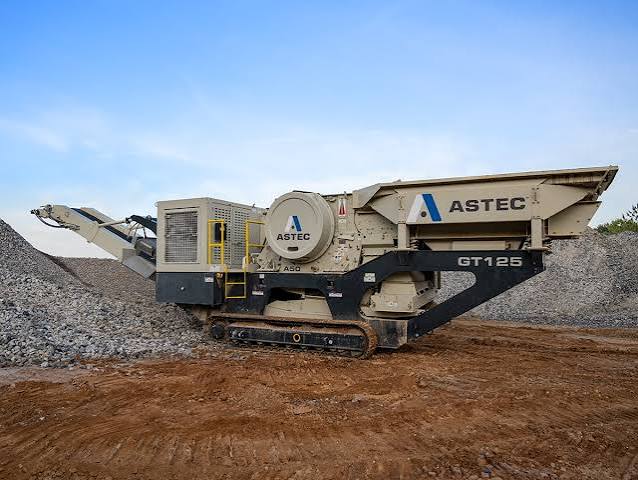
Choosing crushing equipment can look straightforward until the details of the job begin to matter. Material size, hardness, moisture, expected output, and daily operating hours can all influence how well a machine performs. When businesses compare Jaw Crushers, the goal should be to find a model that fits the actual workload rather than simply choosing the largest unit available. A machine that is too small can slow production, while an oversized crusher may bring higher purchase and operating costs without offering a useful advantage. Looking closely at size, capacity, and performance helps create a better match between the equipment and the work it needs to handle.

Feed size is one of the first things worth examining because it affects how easily material can enter the crushing chamber. Larger openings can accept bigger pieces, but the incoming material still needs to suit the machine’s design. Hard rock, recycled concrete, and mixed demolition material can place very different demands on the jaws and wear components. The desired finished size matters too, since the crusher setting affects how material exits the machine. Paying attention to both the feed and the final product gives buyers a clearer idea of which specifications are truly important and which ones may be unnecessary for the job.

Jaw Crushers

Capacity is often discussed as a simple production number, but real output depends on several conditions working together. Feed consistency, material density, crusher settings, operator practices, and the equipment feeding the machine can all influence how much material is processed in an hour. A crusher with a high rated capacity may never reach that figure if material arrives unevenly or if downstream equipment cannot keep up. That is why it helps to consider the entire processing line instead of looking at one machine in isolation. A balanced setup usually supports smoother production and makes better use of both labor and equipment.

Performance also includes how reliably the crusher can work over time. Jaw plates, bearings, drive components, lubrication points, and belts all need regular attention, especially in demanding applications. Easy maintenance access can make a noticeable difference because routine inspections and part changes take less time when service points are simple to reach. Power requirements should also match the site, whether the machine uses diesel, electricity, or another setup. Buyers working across multiple locations may place more value on mobility, while fixed operations may prioritize steady output and easier integration with conveyors, screens, and other processing equipment.

The best choice is usually the one that fits real production needs without adding unnecessary complexity. When evaluating Jaw Crushers, businesses should think about the type of material being handled, average feed size, required output, operating schedule, maintenance support, and room for future growth. Price matters, but it should sit alongside reliability, wear costs, fuel or electricity use, and the amount of downtime the operation can realistically tolerate. Taking a broader view makes it easier to avoid equipment that looks impressive but does not suit the work. A well-matched crusher can support steady production, simplify daily operations, and provide dependable value for years.

Solar Panel Installation For Homeowners Renovating An Older Property

Transforming Your Vintage Home: Embracing Solar Energy for Sustainable Renovations

When you’re renovating an older property, it’s easy to focus on the aesthetics and structural improvements. However, integrating modern technology like solar panels can significantly enhance your home’s value and sustainability. If you’re considering solar panel installation in Perth, you’re not just investing in energy efficiency; you’re also preserving the environment while potentially lowering your utility bills.

Older homes often come with unique challenges, especially when it comes to energy efficiency. Traditional energy sources can be costly, and many older structures may not have the insulation or energy-efficient windows that newer homes do. This is where solar energy shines. By harnessing the power of the sun, you can offset some of those energy costs and create a more eco-friendly home. Imagine enjoying the charm of your vintage property while significantly reducing your carbon footprint.

Before diving into solar panel installation, assess your roof’s condition and orientation. Older roofs may require repairs or even replacement before you can install solar panels. Ensuring your roof is in good shape is crucial. A solar panel system can last 25 years or more; you want to ensure that your roof will support it for that duration. Consider consulting with a roofing expert who can advise you on the best approach to ensure both your roof and solar panels function optimally.

Solar Panel Installation In Perth

Next, research local regulations and incentives. Many regions, including Perth, offer financial incentives for homeowners who adopt renewable energy solutions. This can significantly reduce the upfront costs associated with solar panel installation. Additionally, understanding any restrictions on the installation of solar panels on older homes will help you navigate the process smoothly.

Once you’re ready to proceed, work with a reputable solar installer who has experience with heritage or older properties. They can provide invaluable insights into the best systems that blend seamlessly with your home’s architecture without compromising its historical value. Many modern solar technologies are sleek and unobtrusive, ensuring that the aesthetic charm of your older property remains intact.

Ultimately, combining solar energy with your renovation plans can create a unique synergy between the old and the new. You’ll enjoy the comfort of modern energy efficiency while cherishing the timeless character of your historic home. It’s a win-win solution that benefits you, your community, and the planet.

Understanding the Practical Uses of Modern Clock Systems

From Daily Scheduling to Facility-Wide Time Coordination

Modern facilities run on more schedules than people usually notice. Classes begin, teams change shifts, appointments move from one room to another, and production tasks often depend on everyone following the same minute. Well-planned clock systems help create that shared reference without asking staff to compare different devices throughout the day. Their purpose can be as simple as displaying dependable time in hallways, or as important as supporting routines across several departments. Schools, hospitals, offices, factories, and public buildings all use coordinated timekeeping in different ways, which is why choosing the right setup starts with understanding how people actually move and work inside the property.

In education, accurate time can help lessons, breaks, exams, and staff responsibilities stay aligned. A few minutes of difference between classrooms may not sound serious, but repeated delays can gradually disrupt the rhythm of an entire day. Healthcare settings have their own demands, where appointments, staff handovers, treatments, and administrative tasks often follow carefully planned schedules. Commercial workplaces benefit for similar reasons. When employees across several floors or work areas see the same time, meetings, shift changes, and scheduled pauses become easier to coordinate. The technology stays in the background, but the consistency it creates can make a busy building feel much more organized.

Clock Systems

Industrial and manufacturing environments may use centralized timekeeping to support production routines, loading schedules, maintenance windows, and employee shifts. Here, timing can affect more than convenience because one delayed stage may influence the work that follows. Large facilities can also be difficult to manage with standalone clocks, especially when dozens of units need manual adjustments. A connected system can reduce that burden by distributing time changes from one source. Seasonal clock changes, small timing drift, and repeated manual corrections become easier to control, giving maintenance teams fewer individual devices to check.

Public buildings and transportation-related spaces can benefit because visitors need information that is easy to trust at a glance. Waiting areas, corridors, reception desks, and shared spaces work better when displayed time is consistent. The same principle applies to multi-building campuses, where people may move between locations throughout the day. Placement becomes important here. A clock hidden behind a doorway or positioned where it is difficult to read has limited value, even when it is perfectly accurate. Planning visibility, coverage, power needs, and communication methods helps make the system useful rather than simply present.

The practical value becomes clearest when clock systems are chosen around real operational needs instead of treated as ordinary wall accessories. A school may prioritize classroom coverage, a hospital may need dependable time across clinical areas, while a factory may focus on shift coordination and production timing. Businesses should also consider maintenance, future expansion, installation requirements, and who will manage the setup once it is running. When those details are thought through early, centralized timekeeping can reduce confusion and support smoother routines. The technology may be simple to look at, but its everyday contribution can be surprisingly broad, helping people across an entire facility work from the same dependable reference.

Co-Working For Freelancers Looking For A More Productive Work Environment

Transforming Your Freelance Experience Through Co-Working Spaces

Freelancing can be a double-edged sword; on one side, you enjoy the freedom to work on your own terms, but on the other, the isolation can stifle your creativity and productivity. If you’ve been feeling less inspired while working from home or at your local coffee shop, it might be time to explore co-working spaces. These environments are designed to foster community and collaboration, which can be a game changer for freelancers. Not only do they provide a dedicated workspace without the distractions of home, but they also offer networking opportunities that can lead to new projects and collaborations.

Consider a co-working space like Catalyst Omaha, where you can engage with like-minded individuals who share your drive and ambition. The atmosphere in these spaces is typically vibrant and full of energy, making it easier to focus on your work. You’ll find that being surrounded by other professionals can motivate you to stay productive, as the hustle and bustle can inspire your own work ethic. Plus, there’s something about the act of getting dressed and heading to a dedicated workspace that can signal your brain it’s time to get down to business.

Catalyst Omaha

Another significant advantage of co-working spaces is the amenities they offer. Many provide high-speed internet, meeting rooms, and even coffee shops—all crucial for a freelancer who needs to stay connected and efficient. You can book a meeting room to pitch your next big idea or simply enjoy a quiet corner to finish that overdue project. The investment in a membership can pay off in spades when you consider the productivity boost and the potential new connections you can make.

Additionally, co-working spaces often host events and workshops, which can be incredibly beneficial. These events can help you develop new skills, learn about industry trends, and meet potential clients or collaborators. Imagine attending a workshop on digital marketing one day and networking with a designer the next. These experiences can help you grow both personally and professionally, expanding your horizons far beyond what you might achieve working solo.

In conclusion, if you’re a freelancer looking to enhance your productivity and shake off that isolation, co-working spaces could be the key to unlocking your potential. They provide not just a desk but a community that can elevate your work experience. So why not step out of your comfort zone and try a space like Catalyst Omaha? You might just find that the boost you need is waiting for you in a collaborative environment.