
Specialized Oil Gives Aging Engines Added Support
High-mileage vehicles often earn their reputation one commute, road trip, and daily errand at a time, but those accumulated miles also mean the engine has experienced years of heat, friction, and repeated starts. As seals age and internal parts continue working under normal stress, the type of motor oil used can become increasingly important. For drivers wondering whether specialized oil is worth considering, get the details here about how high-mileage formulations can support older engines. These oils are created with additives intended to help condition aging seals, improve protection against wear, and support lubrication as an engine continues to serve reliably beyond the mileage many owners once expected.
One of the most useful features of high-mileage oil is the attention it gives to seals and gaskets. Over time, these components can become less flexible, which may contribute to minor seepage or increased oil consumption. High-mileage formulas commonly include seal conditioners designed to help maintain flexibility and support a better seal around vulnerable area. This does not turn worn parts into new ones, and significant leaks still deserve professional inspection, but it can provide useful support for an engine showing ordinary signs of age. Combined with regular servicing, it offers a practical way to care for components that have spent years expanding, contracting, and working through changing temperatures.
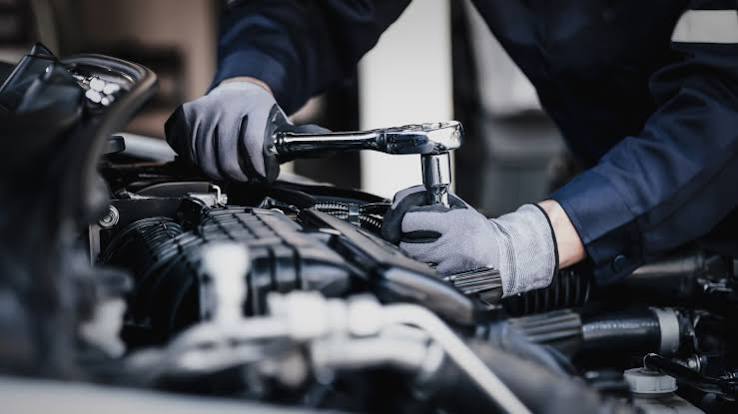
Added protection against friction is another reason these oils appeal to owners of older vehicles. Engine components naturally experience gradual wear as mileage rises, and maintaining a strong lubricating film becomes especially important. High-mileage oils often contain enhanced anti-wear additives that help reduce direct contact between moving surfaces. They may also include detergents and dispersants that assist with controlling deposits and keeping contaminants suspended until the oil is changed. The result is an oil designed around the realities of an aging engine rather than treating every vehicle as though it has just left the showroom. That extra consideration can help support smoother, more consistent operation.
A proper high-mileage oil change should still include the basics that make any oil service effective. The old oil needs to be drained, a suitable new filter installed, and the engine refilled with the correct viscosity and specification for that particular vehicle. Mileage alone should not determine every maintenance decision, because driving habits, engine condition, service history, and manufacturer guidance matter as well. An experienced technician can consider those details and recommend whether high-mileage oil is appropriate. Routine checks during the visit may also uncover small leaks, low fluid levels, or other concerns that are easier to manage before they become larger mechanical problems.
Keeping an older vehicle dependable often comes down to thoughtful maintenance rather than chasing every new product on the shelf. High-mileage oil can be a sensible choice when an engine has accumulated substantial use and could benefit from seal support, additional wear protection, and a formulation designed for aging components. Owners who want a clearer picture of what the service includes can get the details here and discuss the vehicle’s condition with a knowledgeable technician before making the switch. With timely oil changes, a fresh filter, and attention to developing issues, a well-used engine can continue delivering dependable transportation while receiving care that better matches its stage of life.