
The Right Technician Can Prevent Repair Problems from Growing
Diesel vehicles are built to handle demanding work, long journeys, and plenty of miles, but even a strong engine can develop problems that deserve attention. A slight loss of power, harder starting, unusual smoke, or a new sound may seem minor at first. Those early signs are often the best time to arrange diesel repair with technicians who understand how these engines operate. Modern diesel systems combine precise fuel delivery, high compression, electronic controls, turbocharging, and emissions equipment. Because so many components work together, finding the source of a problem takes more than a quick look under the hood.
Certified technicians bring structured training to that process, which can make diagnosis far more efficient. For example, poor acceleration might be connected to fuel pressure, injectors, airflow, turbocharger performance, sensors, or an emissions-related issue. Replacing parts without proper testing can become expensive surprisingly quickly. A trained technician can examine fault codes, operating data, fluid conditions, and mechanical symptoms before deciding what needs attention. That careful approach helps distinguish a genuine failure from a secondary symptom. It also gives owners a clearer explanation of what is happening, rather than leaving them with a list of possibilities and no real answer.
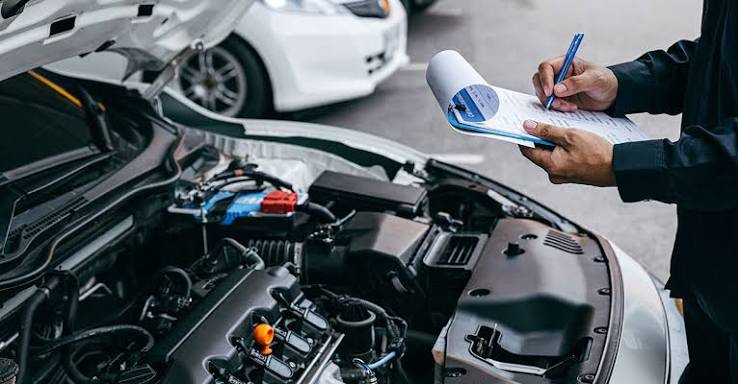
Fuel systems deserve particular care because modern diesel engines operate under extremely high pressures. Injectors must deliver fuel accurately, filters need to remain in suitable condition, and contamination can cause problems that spread through the system. Turbochargers, glow plugs, cooling components, and exhaust after-treatment equipment bring their own maintenance needs as well. Small changes in any of these areas can affect starting, efficiency, power, or drivability. Regular inspections and timely servicing allow technicians to spot wear before it becomes severe. That can be especially valuable for trucks, work vehicles, and daily drivers that owners depend on to start reliably every morning.
The driver’s observations are useful too. A technician may only see the vehicle for a short period, while the owner experiences its behavior every day. Mentioning when a noise occurs, whether power loss happens under load, or when a warning light first appeared can provide useful clues. Responsible service combines those details with proper testing instead of relying on assumptions. Certified professionals should also explain which concerns need immediate attention and which can be monitored. That kind of communication helps owners plan repairs sensibly and reduces the stress that often comes with an unexpected mechanical problem.
Keeping a diesel vehicle dependable is usually easier when problems are addressed while they are still manageable. Delaying diesel repair can allow a relatively small issue to place additional strain on connected components, eventually increasing both downtime and expense. Working with certified technicians gives the vehicle the benefit of specialized knowledge, appropriate diagnostic equipment, and repair procedures suited to diesel technology. The result is not simply a quieter engine or a cleared warning light. Proper care helps preserve reliable starting, steady power, fuel efficiency, and confidence on the road, all qualities that make a well-maintained diesel vehicle worth relying on.
