
Why Testing the System First Can Prevent Unnecessary Part Replacement
A furnace problem can be surprisingly misleading. Weak airflow may look like a blower issue, failed ignition may seem connected to one obvious component, and frequent cycling can point in several directions at once. That is exactly why professional furnace repair Winnipeg service should begin with careful testing rather than assumptions. A trained technician looks at how the entire system is behaving, not just the first symptom that appears. Electrical readings, airflow measurements, control responses, ignition sequences, and safety devices can all reveal important clues. This approach helps separate the visible symptom from the actual cause, reducing the risk of replacing a perfectly good part while leaving the original problem untouched.
One of the biggest advantages of proper diagnosis is that many furnace symptoms overlap. A dirty filter can restrict airflow and make the system overheat, while a failing limit switch may also cause unexpected shutdowns. A thermostat problem can create irregular heating cycles, yet similar behavior may also come from control board issues. Without testing, it is easy to head in the wrong direction. Professional technicians use equipment and step-by-step checks to confirm what is working and what is not. That process may take a little more thought at the beginning, but it usually leads to a much clearer repair decision and avoids turning furnace service into a guessing game.
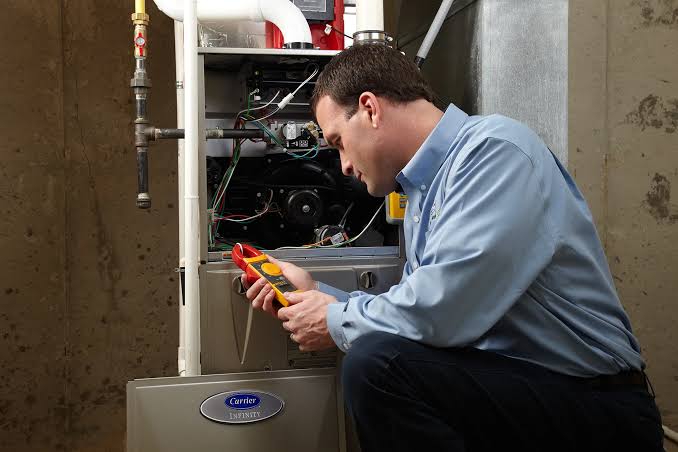
Electrical testing is especially important because modern furnaces rely on a network of sensors, switches, motors, and controls. One weak connection or incorrect signal can affect several other components. A part that seems unresponsive may actually be receiving the wrong voltage or no signal at all. Technicians can check circuits, test continuity, inspect connections, and verify how controls respond during operation. The same applies to ignition systems, where burners, flame sensors, gas valves, and control boards all work together. Looking at the complete sequence makes it easier to understand where the process breaks down instead of simply replacing whichever part appears closest to the symptom.
Airflow also deserves careful attention because it influences both comfort and furnace operation. Restricted ducts, clogged filters, blocked vents, dirty blower components, or incorrect fan performance can all place stress on the heating system. When airflow is poor, the furnace may overheat, cycle more often, or struggle to deliver consistent warmth. Replacing electrical or mechanical parts without checking airflow could miss the real cause completely. A thorough technician considers pressure, temperature rise, filter condition, venting, and blower performance together. That broader view can uncover problems that are easy to overlook when the focus is placed on only one component.
For homeowners, accurate diagnosis can mean fewer unnecessary expenses and more confidence in the repair recommendation. A professional who explains what was tested, what failed, and why a specific repair is needed makes the process easier to understand. When arranging furnace repair Winnipeg service, it is worth choosing technicians who diagnose before replacing, especially when the problem involves several possible causes. Careful testing helps protect working components, reduces wasted spending, and increases the chance that the repair actually solves the issue the first time. In the end, reliable furnace service is not about changing the most parts, it is about identifying the right problem and fixing it properly.
