
When an Established Design Works and When Tailoring Makes Sense
Choosing between a standard shade structure and a fully customized one is rarely a question of which option is universally better. The smarter choice depends on the property, the parking layout, and the way drivers use the space every day. In many straightforward locations, car parking shades based on familiar designs such as cantilever, pyramid, umbrella, or wall-mounted systems can provide effective coverage without unnecessary complexity. When the site includes unusual angles, tight access, landscaping, or architectural features that cannot be moved, however, a more tailored approach may make the finished structure feel far more natural. That difference becomes especially noticeable when parking areas sit close to entrances, boundary walls, landscaped zones, or prominent parts of the building.
Standard designs have an obvious advantage, they are familiar, proven, and usually easier to plan around when parking bays follow regular dimensions. A row of evenly spaced spaces at an office, villa, school, or commercial property may suit an established structural arrangement perfectly. Because the general proportions and support positions are already well understood, the design process can often be more direct. That does not mean the result has to look generic. Fabric color, frame finish, dimensions, and orientation can still be selected to suit the setting, while the underlying structure remains based on a recognized format.
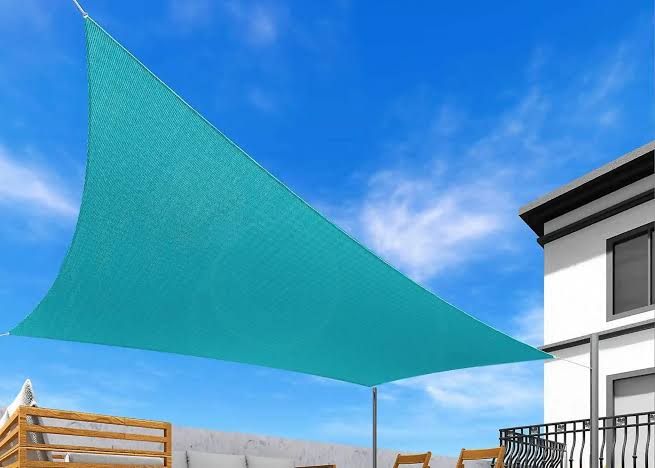
Customization becomes useful when the property starts presenting awkward little problems. Perhaps the driveway curves, a building column sits close to a parking bay, or a landscaped area limits where steel supports can be installed. Some sites also need to preserve pedestrian routes, loading access, views, or turning space for larger vehicles. In those situations, forcing a standard structure into place can create compromises elsewhere. A custom design allows the manufacturer to adjust spans, support locations, fabric geometry, and overall proportions around the actual site, rather than expecting the site to behave like a perfect rectangle.
Appearance can be another strong reason to consider a tailored solution. On properties with distinctive architecture, a basic canopy may provide shade but still feel visually disconnected from the building around it. Custom dimensions, angled fabric, coordinated colours, or carefully positioned columns can help the structure sit more comfortably within the wider design. At the same time, customization should remain practical. More complicated does not automatically mean better. Every additional feature needs to serve a purpose, whether that is improving coverage, protecting access, matching the architecture, or making everyday parking easier for drivers and passengers.
The best decision usually comes from studying the site before becoming attached to a particular style. Regular layouts may be served perfectly well by established systems, while unusual spaces can benefit from something designed around their limitations. Well-planned car parking shades should protect vehicles without creating awkward posts, restricted doors, poor coverage, or a structure that looks out of place. A reliable manufacturer can assess dimensions, traffic flow, surrounding buildings, and visual requirements before recommending either route. In the end, the right shade is not necessarily the most customized one, it is the one that fits the property properly and continues to make sense long after installation.
