
Reducing the Financial Pressure of Starting Driver Training
Starting a new career often comes with two big questions, what will the training involve, and how will it be paid for? For many future drivers, the second question can feel just as important as the first. A Truck Driving School that offers grants to qualified candidates can make professional training feel more within reach, especially for people who are ready to work but hesitant about taking on a large upfront expense. When guaranteed funding options are also available for eligible students, the path toward earning a CDL can become easier to plan, with fewer financial surprises standing between enrollment and the first day of class.
Grant opportunities can be especially helpful because they may reduce the amount a student needs to cover personally. Eligibility rules will vary, so it is worth asking exactly who qualifies, what costs are included, and whether any conditions apply after training begins. Some grants may be connected to workforce programs, specific student circumstances, or other qualification standards. The important part is knowing the details before making assumptions. A clear admissions conversation can help candidates understand what support is available, what paperwork is required, and whether a grant can be combined with other funding resources. It can also reveal whether books, testing fees, permits, or other training expenses are covered.
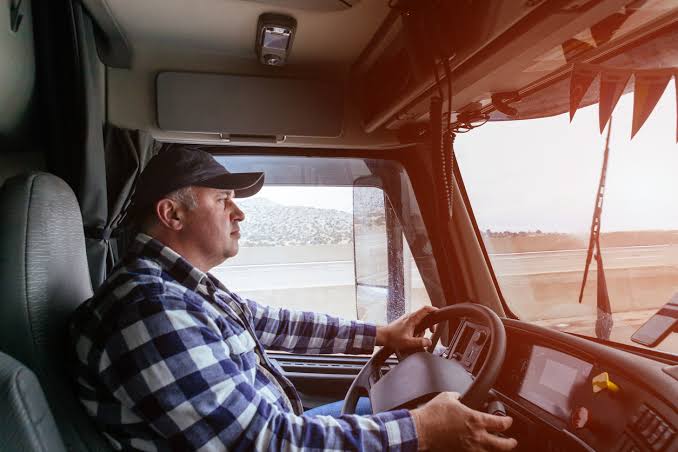
Guaranteed funding can add another layer of flexibility, particularly for students who do not have enough savings to pay tuition at once. The word guaranteed can sound simple, but the terms still deserve a careful look. Candidates should ask about repayment expectations, fees, eligibility requirements, and what happens if training is interrupted. A trustworthy school should be willing to explain the arrangement in plain language rather than rushing someone through the process. That transparency matters because financial support should make career preparation less stressful, not create confusion later.
Affordable access to training can also change who feels able to consider truck driving as a realistic career move. Someone changing industries, returning to work, or looking for a more practical route into a new field may not want to spend years in school before earning. CDL training is often more focused, with instruction built around commercial driving knowledge, vehicle control, inspections, safety, and licensing preparation. When financial assistance is available, students may be able to concentrate more on learning those skills instead of constantly worrying about how the next payment will be covered. That breathing room can make the entire training experience feel more manageable from the start.
The best funding option is ultimately the one a student understands clearly and can manage responsibly. Before enrolling, it helps to compare tuition, grant eligibility, funding terms, training schedules, and what is actually included in the program. A reputable Truck Driving School should be prepared to answer those questions openly and help qualified candidates understand the support available to them. Grants and guaranteed funding can make driver training more accessible, but informed decisions still matter. With the right mix of financial planning and practical instruction, starting a commercial driving career can feel less like an expensive gamble and more like a well-organized step toward a new professional direction.
